
By MARCUS STEAD
There is no doubt whatsoever that ‘foreign interference’ took place during the Brexit referendum of 2016. But it had nothing to do with Russia, and it was the sort of ‘interference’ Andrew Burnham rather likes.
President Barack Obama’s ‘back of the queue’ threat was designed to put the British people off voting for Brexit. He did so with the approval of the then-Prime Minister, David Cameron. But Mr Cameron made a vital miscalculation.
The mainstream media portrayed Obama in a favourable light – he was liberal, cool, slick and articulate. They paid little attention to his backing of the so-called Arab Spring, where a series of stable, albeit nasty regimes were overthrown and replaced by chaos that endures to this day.
Why did Obama back the Arab Spring? The most likely explanation is the Colonel Gaddafi of Libya was planning to launch an Arab/African single currency that would have posed a long-term threat to the supremacy of the US dollar. Another possible explanation is that the Saudis wanted Obama to back it. It’s possible that both theories are partially correct.
Obama’s gaffes were not widely reported. For example, shortly after arriving at the White House, a reporter asked him if he’d used the ten-pin bowling alley on site. He said he’d given it a try, but that he wasn’t very good and looked like something out of the Special Olympics. Imagine the furore if a Republican president had said the same. Most of the mainstream media also overlooked Obama’s links to Tony Rezko, a Chicago businessman who was convicted of wire fraud.
But despite Obama’s undeserved positive media portrayal, Cameron made a mistake in using him in this way, for one simple reason – the British people don’t take kindly to being threatened. Obama’s ‘back of the queue’ remark backfired spectacularly, and it was treated with the same contempt as the Remain campaign’s ‘Project Fear’, which became a national joke.
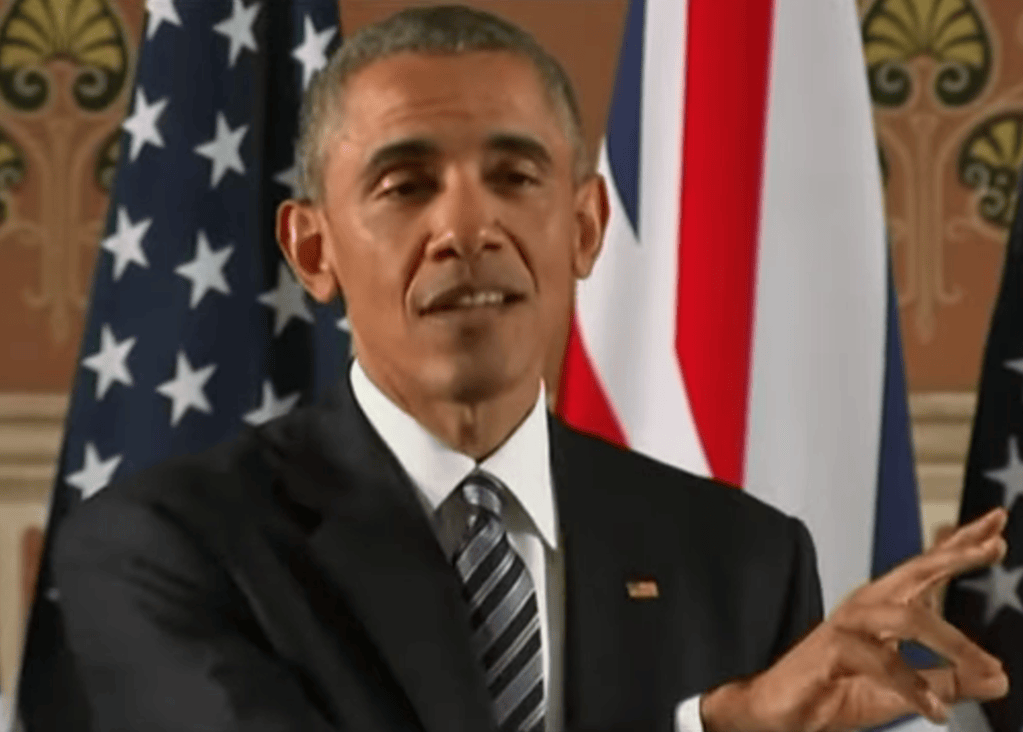
Obama wasn’t the only example of ‘foreign interference’. The Hungarian-American billionaire George Soros donated £420,000 to the anti-Brexit Best for Britain campaign. The American financial institution, Goldman Sachs, also made a large donation to the Remain campaign.
So enough of Mr Burnham’s nonsense. If he has actual evidence of Russian interference, he should produce it for all to see, so we can make a fair judgement on what happened and what level of influence it had. But he hasn’t, because it doesn’t exist.
The way Mr Burnham’s accusation was presented by the mainstream media says a lot about how far they have fallen. On ITV’s Good Morning Britain (produced by ITN) this morning, we had a situation that would once have been considered bizarre and unethical for a mainstream broadcast outlet bound by impartiality rules.
The programme’s co-presenter was Edward Balls, who worked for the New Labour Blair/Brown machinery as long ago as 1994 and was Labour Shadow Chancellor between 2011-15. His wife, Yvette Cooper, held various ministerial positions under Blair and Brown, and was a cabinet minister under Sir Keir Starmer until his departure during the summer.
Mr Balls began his exchange with the programme’s political correspondent, Louisa James by saying, “There’s been speculation about this, I think we all kind of believe it, the prime minister has confirmed it…”
When Ms James spoke, she said: “Yea, look, it is an extremely interesting revelation, and significant revelation…”
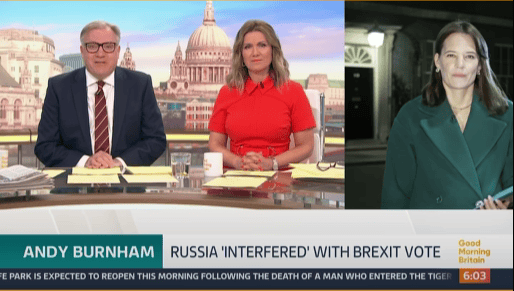
Whenever President Donald Trump throws around wild accusations, the mainstream media rightly reports it with the caveat that they are “unfounded,” “without evidence,” or “baseless”. But when Mr Burnham does similar, they describe it as a “revelation” and say he has “confirmed” it.
The fact that Mr Burnham made these accusations on a podcast co-hosted by his friend, Alastair Campbell, he of the dodgy Iraq dossier, ought to make us a bit suspicious. Clips are available for free online, but the full interview is only for people daft enough to pay for the premium version.
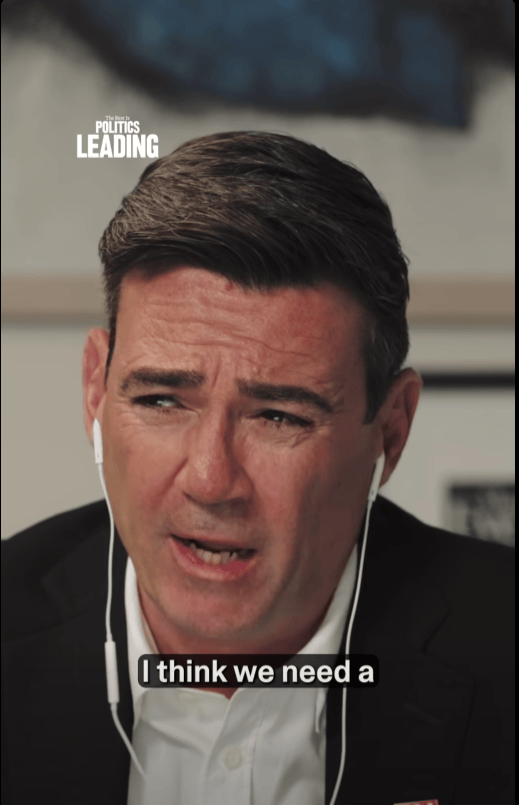
Notice the way Mr Burnham’s preferred mode of communication consists of banal social media videos about beer, pubs, pies, football, music and guitar playing, and when he gives interviews, he does so to the likes of Campbell.
Not once since becoming prime minister has he allowed himself to be grilled by a tough interviewer such as Andrew Neil or Nick Ferrari.
Over on BBC Breakfast, Foreign Office minister Stephen Doughty was interviewed. I live in his constituency and, well, let’s just say we’ve clashed over Brexit. I’ve seen first hand how he tried to delay and dilute Brexit, and would’ve blocked it given the chance. He’s cut from the same cloth as David Lammy and co. During the interview, Doughty rowed back on the Burnham line and said that Russian interference didn’t affect the outcome of the referendum.
There was a time when the BBC and ITN set the gold standard of broadcast news journalism. Those days are long gone.
George Orwell long ago said, “Journalism is printing what someone else does not want printed; everything else is public relations.”
With their handling of Mr Burnham’s nonsense, the mainstream media have behaved like an extension of the government. The British public deserves better.


